
Deep TMS for depression
in Overland Park & Kansas City
No new pills.
20-minute visits.
Feel like yourself again.
FDA-cleared Deep TMS for depression, including the anxiety symptoms that come with it. No referral needed. Insurance usually covers it.
 Why we started Cerebral SpaOur founder video · captions on
Take back your life.
Stop masking your depression. Stop isolating. Start living your best life again, with the Deep TMS Brain Reset.
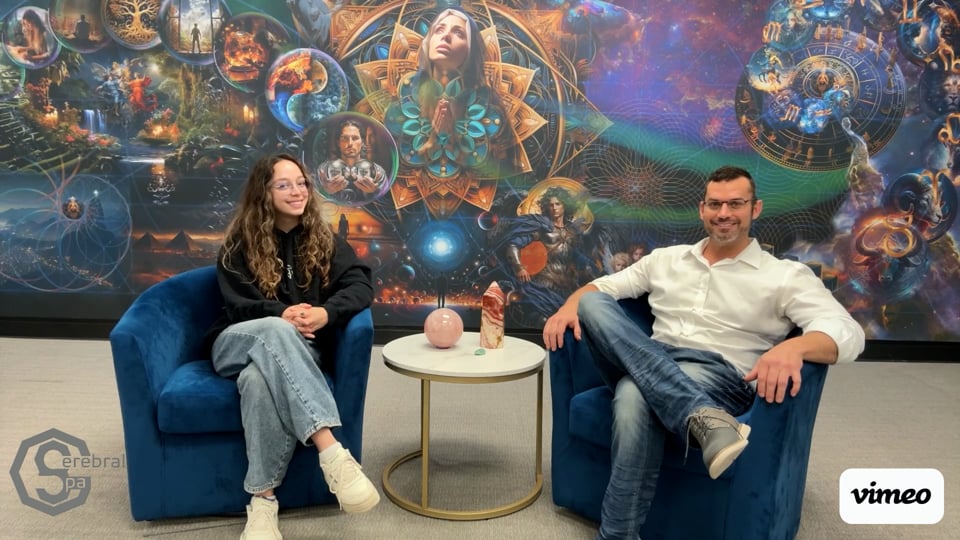
Brad Ford, founder, on why he started Cerebral Spa
Deep TMS Insurance Verification
We check your insurance. You decide later.
- Free, no obligation
- Takes about a minute
- We call your insurance for you
Or text us, call, or send a message.
No referral needed. We walk you through every step.
4.8 stars on Google
Filling this out for someone you love? See how to help them. We only contact the person you name after they agree to hear from us.
Why we started Cerebral SpaOur founder video · captions onTake back your life.
Stop masking your depression. Stop isolating. Start living your best life again, with the Deep TMS Brain Reset.
Brad Ford, founder, on why he started Cerebral Spa
What it’s really like
Hear it from a patient.
We take most major insurance
Many plans cover Deep TMS after 2+ medications. See yours? We’ll confirm your coverage for free.






Medicare Advantage plans vary, so we’ll check yours. Don’t see your plan? Ask us anyway. Not covered? Ask us about self-pay.
Not sure if you’re covered?
We check your insurance benefits for free and call your plan for you.
Does this sound like you?
You’ve tried the medications. You’re tired of starting over.
The side effects people tell us about:
Who we help, by the numbers
5.5
medications tried, on average, before coming to us
16 yrs
on antidepressants, on average
22
average starting PHQ-9 score, in the severe range
2 in 3
have a history of trauma
Medications, years and PHQ-9: Cerebral Spa patients with prior-authorization files (about 15 per measure). Trauma: a review of 64 patient charts, October 2026. PHQ-9 is a standard depression questionnaire; 20 or above is considered severe. Totals only; no individual patient information. See all the numbers →
That’s who we see every day. You’re not out of options.
You do one thing. We handle the rest.
Want to talk it through?
Call us. We’ll answer your questions, no pressure.
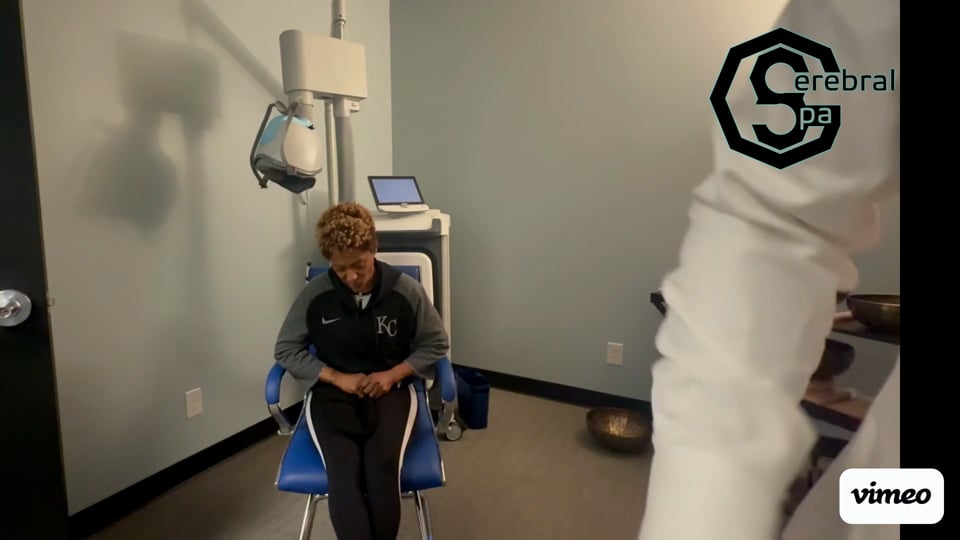
What a visit looks like
About 20 minutes, start to finish.
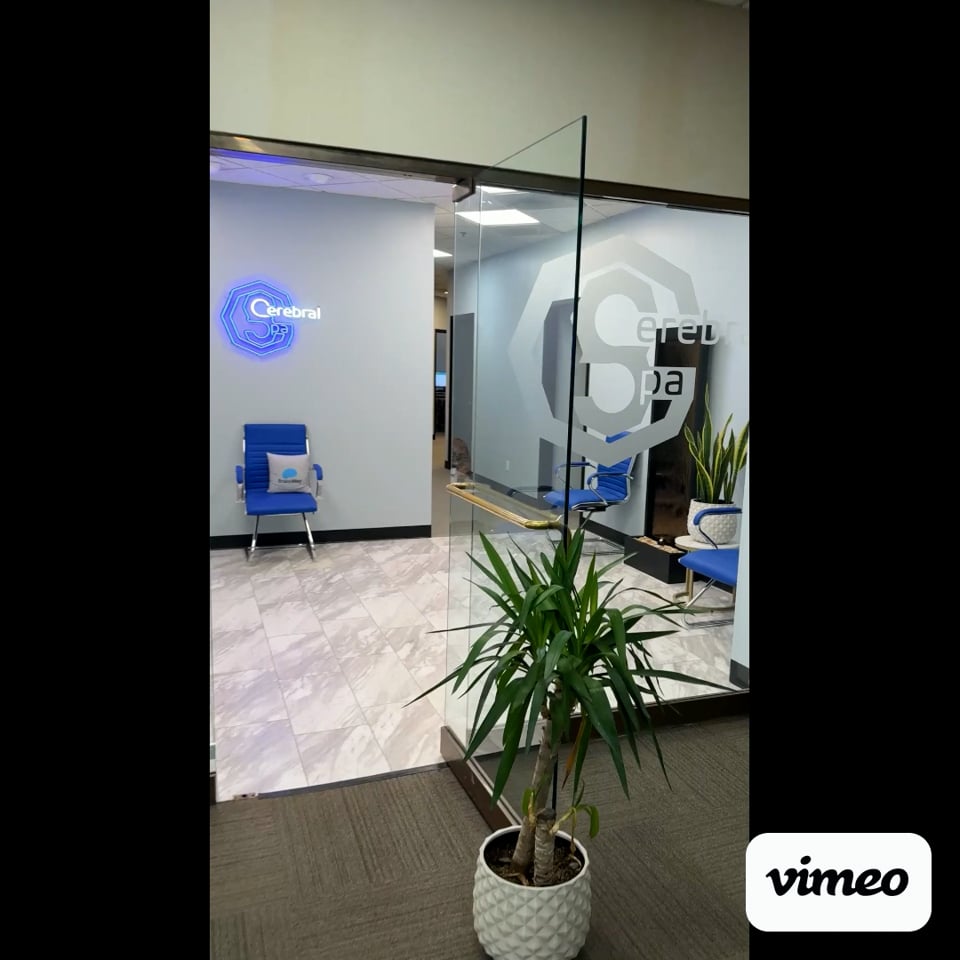 Take the 1-minute tourSee the room, the chair and the people
Your Brain Reset, week by week
◆ Most of our patients tell us they feel calmer after their very first treatment. For many, depression symptoms start to lift significantly after week 3.
Your first visit takes about an hour while our team sets your dose. After that, each visit is about 20 minutes.
About 6 weeks on average, and it can be spread out to fit your life. Everyone responds differently; results vary.
Does it work?
Many people feel a real difference.
8 in 10
responded (82%)
2 in 3
reached remission (65%)
BrainsWay real-world study, 1,351 patients with depression who completed 30+ sessions (Psychiatry Research, 2023). Individual results vary.
Real people. Real relief.
Hear it from Cerebral Spa patients, in their own words.
PHQ-9 is a standard depression questionnaire; lower is better. These are individual results. Yours may differ.
“The TMS treatment has been the “spark” my mental health needed. In all sincerity, my approach and outlook on life haven’t been so positive in years.”
“After seeking so many different outlets to help with past traumas, I finally feel like I’ve found something that truly works.”
“A very welcoming, relaxing and multifaceted place that provides a friendly environment for a new approach to mental health.”
“Very conveniently located (easy access from I-435). The staff are gracious and understanding. I felt at ease.”
Rather text than talk?
Send us a text. A real person in Overland Park writes back.
Carrying trauma too?
You don’t have to carry it alone.
Most people who come to us for depression are carrying trauma as well. For many of them, our provider pairs Deep TMS with a gentle technique called script-driven imagery. It will feel familiar if you’ve done exposure work or EMDR.
The thinking behind it
One part of the brain, the medial prefrontal cortex, helps the alarm center learn that a trigger is no longer a threat. Researchers call that learning “fear extinction.” Bringing the memory up, then letting go, session after session, asks that circuit to do its job.
The research behind it
Please know: Deep TMS is FDA-cleared for depression, including the anxiety that comes with it. It is not FDA-cleared for PTSD, and research on PTSD is still early. Our psychiatrist will talk with you about whether this approach fits you.
Who you’ll meet
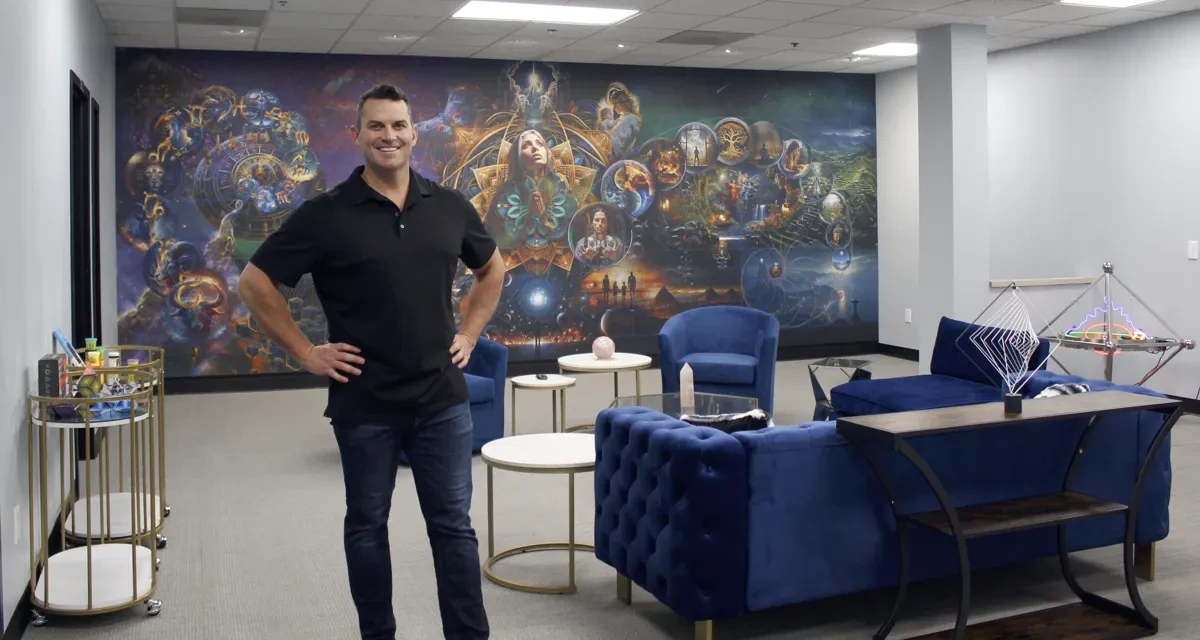
Friendly faces, right here in Overland Park.
Helping someone you love?
You can’t make the call for them, but you can make it easier. Send them this page in one tap, or ask us your questions first.
Quick answers
Deep TMS questions, answered.
No. You stay awake in a comfortable chair. No anesthesia, no seizure, no memory loss, and you can drive yourself home.
No. Most people keep taking it. Any change is up to you and your prescriber.
We check in with you along the way and track how you are feeling. If it is not helping, we will talk honestly about next steps. You are never locked in.
It depends on your plan. Many major plans cover Deep TMS for depression after two or more medications. We check your exact cost for free before you commit to anything.
Most commercial insurance plans, plus Kansas state-subsidized insurance and state plans, cover Deep TMS for depression, usually once two or more medications have not helped. Plans differ, so we call your insurance company for you, explain your cost in plain numbers, and handle the approval paperwork.
No. You can start right here. We check your insurance, have a short phone consult with you, and confirm whether Deep TMS is right for you.
Everyone is different. Most of our patients tell us they feel calmer after their first treatment, and for many, depression symptoms start to lift significantly after week 3. In BrainsWay’s real-world data, people who responded did so after about 16 sessions on average.
Yes. Deep TMS works alongside the care you already have, and with your OK we keep your providers updated.
Absolutely. Tap any Text us button and send us a message. Plenty of people start that way.
Just one small step today.
Find out if you’re covered. Free, no obligation, and we do the rest.
Start my free checkFeel like texting instead?
Text us